Author name: admin

Без рубрики

FOP and Undeclared Activity: Risks, Restrictions, and Legal Consequences 2025

The issue of restrictions on activities of sole proprietors (FOPs) on the single tax is connected to clearly designating business activities in the Unified State Register (USR) and the Single Taxpayer Register. Can an FOP conduct activities not listed there? This is one of the most pressing legal questions for small businesses wishing to expand their profile or try a new business direction without formal registration changes. Legal framework: basic principlesAccording to Ukraine’s Constitution (Art. 42), everyone has the right to entrepreneurial activity unless prohibited by law. However, Laws No. 755-IV (“On State Registration of Legal Entities, Individual Entrepreneurs and Civic Organizations”) and Chapter V of the Tax Code specify: all FOP business activities must be listed in the USR; this information is automatically passed to the Tax Service for tax accounting. For single-tax FOPs, point 299.7 of the Tax Code states that the Single Taxpayer Register must list the business activities the entrepreneur intends to carry out. The law is clear: if an activity is not registered, the FOP must switch to the general taxation system starting from the month after the income from such activity is received. “Off-register” activity: risks for single-tax entrepreneursThe Tax Authority and Ministry of Justice clarify: a single-tax FOP may not carry out activities not included in their registration (USR and Single Taxpayer Register). For example, a second-group entrepreneur who provides new services without updating registration data violates single tax requirements. Financial consequences: All income from such “unregistered” activity is taxed at the 18% general income tax rate, the 1.5% military levy, and possibly the social contribution. The entrepreneur is automatically removed from the Single Tax Register. The obligation to pay taxes under the general regime arises from the first day of the month following the infraction. Tax penalties and fines apply for late declaration of income and incorrect tax regime application. Updating the activity code (KVED) and registration procedureTo legalize a new line of business, the entrepreneur must update the USR with the proper KVED code. The process is simple: submit a request electronically or through a registrar, receive an updated extract. Changes are automatically reported to the Tax Service – from the following month, the new activity can officially be performed under the single tax. Note: systems integration is not instantaneous — before starting new operations, verify the new KVED is in your taxpayer extract. Court practice and tax clarificationsUkrainian courts adhere to Tax Service and Justice Ministry guidance: income from unregistered activity leads to transfer to the general system and tax surcharges. Agreements and acts with counterparties for “unregistered” activities are not void for the counterparty, but they create tax risk for the FOP. A common issue: income received “by mistake” (e.g., by not updating the KVED, due to accountant error). In such cases, courts consider the actual commencement date, the moment tax obligations arise, and the date the request to update the KVED was filed. Special features of switching to the general systemA FOP who breaks the rule and receives off-register income must: File a general system declaration the next month, Use the new “Standard Income and Expenses Logbook,” Pay taxes according to general system rules: PIT, military levy, SSC, VAT. Note: Return to the single tax is only possible after resolving all formalities and closing past tax issues. Liability and risks for FOPs: Automatic transition to the general system — substantial increase in tax burden. No right to operate under the single tax alongside “off-KVED” activities. Fines for late KVED changes, incorrect declarations and tax payments. Problems with banks (transaction denials, account blocks) if the activity in the registry mismatches actual activity. Are there exceptions?Some sectors (licensed, financial, medical, educational, legal services) require mandatory KVED updates — failure may entail additional administrative or even criminal liability. In other cases, if no income is generated under ancillary KVEDs, there are no violations. But to avoid risk, always update USR and taxpayer registry data before starting new lines of business. Practical tips for single-tax FOPs: Check current KVED in USR and Single Taxpayer Register before expanding or changing activity. Promptly update the registry and obtain an extract with new data. Don’t accept any payments for new activities until all registries are updated. Document and confirm all changes with the tax authority. Use “Diia” or the Tax website to track status for risk minimization. Conclusions:A single-tax FOP may only engage in activities included in the USR and Single Taxpayer Register. Violations result in a switch to the general regime, higher taxes, and administrative fines. Legal security for small business in 2025 means transparency, registry compliance, and expert advice before any changes.Professional support and timely registration issue resolution guarantee peace of mind and risk avoidance for entrepreneurs. Author – Yulia Popadyn, attorney specializing in tax and customs law at the “WINNER” Law Firm. If you have questions or issues with code updates, registry activity reporting, switching tax systems or tax disputes, seek expert legal help to minimize risks and protect your business. https://youtu.be/rEd6me-Ume4?si=4fAJXtyS_nhX4O-g

Без рубрики

Droppers Registry and Restrictions on Suspicious Cards in 2025

In October 2025, the Verkhovna Rada registered draft law No. 14161 on creating and administering a so-called “drop register”—a database of individuals whose payment cards or accounts are used for suspicious transfers, transaction splitting, money laundering, and circulation of funds via opaque P2P transactions. This register is intended to become a key tool in combating financial “mules”, phishing schemes, cashing out limits, illegal online gambling, and countering the shadow economy. What is a “drop” and why is it a problemA drop (from the word “drop”—to hand off) is a bank cardholder who, for compensation, voluntarily gives their account, card, or e-wallet details to third parties or criminals. Use of drop cards enables one to: bypass bank limits and monitoring; repeatedly split transactions, masking their origin; launder “dirty” money—income from suspicious sources (shadow wages, online casinos, crypto exchange services, etc.); hide the beneficiary and avoid declaring real income. According to the NBU, more than 200 billion UAH passes through drop cards in Ukraine each year—up to 15% of all P2P transfers; there are roughly 80–100,000 “new financial mules” in the country. How will the drop register workThe National Bank of Ukraine will administer the register, and banks/payment providers will be obliged to identify suspicious customers, transmit their details to the database, and share risk metrics for anti-money laundering purposes. Those whose behavior, as defined by financial institutions, matches “mule” patterns (frequent P2P transfers to/from third parties, periodic large transactions without clear explanation, links to online gambling, etc.) will be listed in the register. Customers will be able to appeal their inclusion; details will be set out in a separate procedure. The explanatory note states registration does not automatically mean account freeze—the program protects even those whose cards were used by fraudsters without their consent. What limits and penalties does the draft law introduce Significantly reduced available P2P transfer limits for drops. Ban on opening new accounts or cards for persons listed in the register. Enhanced financial monitoring of all transactions and higher risk scoring. Possible account suspension or proof of source of funds checks for especially risky transactions. For entrepreneurs—a higher bar for screening fake business activity. Implications for banks, business, and citizens Banks get legal right to refuse to open accounts or cards for certain clients. Citizens risk investigations even from unintended use of their own card (e.g., if its details are stolen by fraudsters). Sole proprietors risk having business accounts blocked due to suspicious P2P activity. At the same time, the law gives a right to appeal register inclusion and prove innocence (details still under development). International experienceSimilar tools to fight “money mules” have long operated in the EU, USA, UK, and Canada. Maintaining “mule” registers helps uncover money laundering networks linked to cybercrime, fraud, and enables early-stage financial crime prevention. ConclusionThe drop register is lawmakers’ response to challenges of the digital economy and the explosive growth of schemes using transit cards, P2P payments, online gambling, and proxy businesses. For Ukraine’s market, it will help protect the budget, fight abuse, and ensure greater transparency. Every bank card user should monitor their activity and boost financial security to avoid the “blacklist” risk. The law is meant to drive better financial monitoring and really shrink the gray sector in Ukraine.Author – Yulia Popadyn, attorney specializing in tax and customs law at the “WINNER” Law Firm. If you have issues with account blocking/seizure, inclusion in the drop register, appeals of financial monitoring or bank sanctions, preparing complaints to the NBU or State Financial Monitoring, or legal defense strategies, consult our lawyers. Timely assistance will help you avoid serious consequences, restore account access, and minimize blacklisting risks—even in complex cases. https://youtu.be/rEd6me-Ume4?si=4fAJXtyS_nhX4O-g

Без рубрики

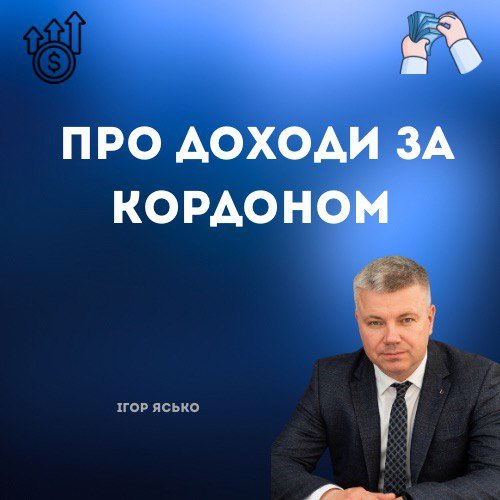
End of anonymous foreign accounts

In 2025, the head of the Verkhovna Rada’s Finance Committee, Danylo Hetmantsev, stated that the era of anonymous foreign accounts and large-scale hiding of offshore income for Ukrainians is coming to an end. This results from four main factors: Ukraine’s accession to global automatic financial information exchange systems (CRS/OECD CRS, FATCA), the adoption of special legislation on transparency for digital assets and cryptocurrencies, the creation of a unified account register, and the gradual implementation of EU tax directives for control over the income of individuals and companies. Global trend: automatic exchange of informationCurrently, 109 countries — including all EU states, the UK, Switzerland, Canada, and the USA — have implemented CRS, which requires banks, brokers, and other financial intermediaries to automatically transfer data to domestic tax authorities about accounts, savings, investments, income (dividends, royalties, rental), and the flow of money for non-resident clients.From 2026, Ukraine will launch CRS involving the NBU and the State Tax Service. Ukrainian banks are already obliged to identify tax residents, ownership structures, and beneficial owners, and, upon request, to disclose information to foreign tax authorities. Cryptocurrency and digital assets: Detinization2025 saw breakthrough legislation on the taxation and verification of cryptocurrency. Draft Law No. 10225-d (“On Virtual Assets”) set market rules — identifying the owner, granting NAPC and the Ministry of Finance the right to check the origin of cryptoassets, recording blockchain transactions, monitoring the source of funds.Taxation mechanisms were developed: rates of 5–18% for individuals and businesses are expected, depending on activity. NAPC already has the tools to verify blockchain operations and cooperates with cyber police and international auditors. New registry of payment instruments — combating “drops”Another step towards financial transparency was the appearance of Draft Law No. 14161, providing for a state register of people who provide their bank details for use in shadow schemes. This will prevent mass use of “drops” for anonymous money transfers or cash-outs and reinforce fiscal control over cash flows, gambling, and online platforms. DAC-7: EU experience for digital platformsUkraine is implementing the DAC-7 directive, providing for the automatic exchange of information on user income from marketplaces (OLX, Amazon, Airbnb, Upwork, etc.) between EU, US and partner tax authorities. All online platforms must collect and share data on Ukrainian residents — meaning all income from freelancing, online sales, rentals, and consulting will no longer remain “hidden” even if paid to foreign accounts. Enhanced cooperation with global tax authoritiesUkrainian tax and law enforcement authorities are already receiving data from partners (including the USA, Germany, Poland, UK) on bank accounts, real estate, and financial activity of citizens hiding income or failing to declare it at home.Expect an expansion in information exchange about: transactions in financial instruments, stocks, dividends; online accounts on PayPal, Stripe, Wise, crypto exchanges; foreign property and assets. New risks for taxpayers The likelihood of unannounced tax audits and seizure of foreign accounts is increasing. Returning undeclared income to Ukraine as “debt” or “gift” will no longer protect anyone. Deliberate concealment is subject to administrative and even criminal liability. Officially declared currency and assets will remain under scrutiny even after amnesty or currency liberalization. How business and citizens should act Officially declare all foreign accounts and income received outside Ukraine, even if previously not taxable. Carefully record sources of funds from freelancing, online earnings, or marketplace transfers. Do not ignore tax requirements — promptly report foreign assets and accounts. Consult with tax and financial advisors to avoid double taxation and fines under automatic exchange. Monitor news about CRS/DAC7/AML implementation into Ukrainian tax law. ConclusionThe possibility of concealing income or assets abroad is rapidly disappearing, even for small freelancers, crypto holders, investors, and entrepreneurs. The world is becoming increasingly transparent, and now is the last chance to go legal, avoid criminal or administrative penalties, and build a clean financial history. Ukraine not only follows global detinization trends but also seeks its own innovative solutions for combating tax evasion, ensuring a fair tax burden and secure state finances.Author: Igor Yasko, Managing Partner of the Law Firm “WINNER”, PhD in Law.If you have questions regarding tax audits, foreign asset declarations, currency control, digital platforms, transfer pricing, working with foreign banks, or avoiding double taxation — contact the legal and tax team at WINNER Law Firm. Professional advice will help you choose the right legalization strategy, efficiently organize your cash flows, and protect yourself from unjustified fines, account blocks, or criminal risks even under new global conditions. https://youtu.be/rEd6me-Ume4?si=4fAJXtyS_nhX4O-g

Без рубрики

Tax Inspections 2025: New Risk Groups and Automation Criteria

In 2025, Ukraine’s tax service resumed large-scale inspections of businesses and entrepreneurs after several years of limitations caused by war and moratoriums. New inspection schedules, recommendations from the State Tax Service, and market analytics enable a clear portrait of those most frequently targeted for audit and scrutiny in 2025. Main groups “in the crosshairs” of the tax service: Large and medium businesses with high turnoverBusinesses with multimillion turnovers, especially in wholesale/retail trade, agriculture, food, oil products, and pharmaceuticals.Companies with large numbers of employees or VAT payers. Sole proprietors with atypical business structuresSole proprietors passing their main income through several contractors, splitting operations, changing sectors, and lacking an office or a real sales point. Risk category taxpayersBusinesses working in sectors with an elevated likelihood of violations: excisable goods (alcohol, tobacco, fuel), gambling, financial services, scrap metal trading, and raw materials export.Financial institutions, non-residents, companies with tax addresses in risk zones. “Risky VAT payers”Taxpayers included in the automated tax registry due to fictitious transactions, dubious contractors, lack of assets/resources, or mismatches between tax invoices. Taxpayers showing signs of evasion or aggressive optimizationCompanies using schemes involving business splitting, over-optimization, changing ownership chains, underreporting tax bases, cooperation with fictitious sole proprietorships or unregistered employees. Criteria for being scheduled for inspection: Open information on address changes, frequent activity code corrections, and lack of company/entrepreneur at the official registration address. High volumes of cashless/cash transactions with insufficient tax burden. Deals with “invisible” contractors having no facilities, staff, or working solely with one company. Blocking, suspension, or designation as “risky”—automatic red flags for the tax authority. Trends and sampling methods for inspections: Focus on potential fine size: the tax service prioritizes large payers with expected large fines, e.g., for unregistered workers or VAT manipulation. Automation and analytics: algorithms analyze raw report data, sales volumes, dependence on a single contractor or market. Risk evaluation for past violations: anyone with even one previous violation is in the risk group for unplanned inspections, even if past issues were formally closed. Heightened attention to special cases: Businesses receiving/making large transfers (export, import, IT sector, foreign investment). Legal entities and sole proprietors making financial operations via foreign bank accounts, using cryptocurrency, or having international beneficiaries. Taxpayers who do not submit required reports or fail to pay/pay taxes late. Inspection specifics during martial law: The tax authority does not audit payers with official addresses in combat or occupied territories. Business owners subject to exemption or mobilization may be granted a deferral. “White businesses” (members of relevant clubs/rankings) may be excluded from inspection priority under added conditions. ConclusionsIn 2025, the tax service is focusing on large companies, risky VAT payers, atypical sole proprietors, non-core contractors, and sectors involving excisable, shadow, or financial activity. Automated selection, digital scoring, and report analysis reduce human bias and target potentially “profitable” audits for the state budget. The primary focus: quality and financial efficacy of checks, not their quantity. Fragmented small businesses have relatively lower audit risk. For business owners, the more complex and “nonstandard” your activities, the higher your chance of becoming a priority for tax inspection. Author: Maksym Bagniuk, Head of Tax and Customs Practice, WINNER Law Firm. If you have any questions or issues related to tax inspections, contesting audit results, preparing documents, or protecting your business during tax controls, contact experienced lawyers. Professional advice will help minimize risks, promptly resolve possible violations, and provide legal protection for your business in the event of unscheduled or scheduled inspections by the State Tax Service. https://youtu.be/rEd6me-Ume4?si=4fAJXtyS_nhX4O-g

Без рубрики

Article 130 Administrative Code: Fines, Court Practice and Driver Protection in 2025

Responsibility for driving a vehicle while intoxicated, or Article 130 of the Code of Administrative Offenses of Ukraine (CAO), remains among the most high-profile topics in Ukrainian law enforcement practice in 2025. Despite tougher oversight and higher fines, violations of this rule continue to be common on the roads, while legislators and courts refine and improve the procedures for evidence collection, appeals and enforcement each year. Legal framework of Article 130 CAOArticle 130 CAO regulates liability for operating motor vehicles (cars, vessels, etc.) by persons who are intoxicated by alcohol, drugs or other substances, or under medication affecting reaction time. This also includes refusal to undergo a medical exam, transferring control to an intoxicated person, and consumption of alcohol or drugs after stopping the vehicle but before the test. Main types of liability and finesIn 2025, the law provides for the following: first offense (Part 1, Art. 130) — a fine of 17,000 UAH and license revocation for 1 year. Repeat offense within a year (Part 2) — 34,000 UAH fine and loss of license for 3 years (possibly plus 10 days of administrative arrest).A third or further offense within a year (Part 3) — a 51,000 UAH fine, 10-year license revocation with vehicle confiscation, or 15 days of administrative arrest with revocation.Notably, the penalty for using alcohol/drugs after being stopped but before testing is 34,000 UAH or 15 days arrest with 3-year license revocation. Administrative process: formalization, appeal, enforcementOnce an offense is recorded, National Police officers draw up an administrative protocol. Key driver rights during intoxication testing: the right to a lawyer, a second independent examination, and video/audio recording of every step.The court reviews the evidence, police compliance with procedure, and medical findings. Serious violations of procedure may lead to case dismissal or appeal. In practice, cases are often overturned due to procedural errors, violation of drivers’ rights, or incorrect paperwork. Key stages of court proceedings Reviewing the legality of intoxication determination (documents, video, witnesses). Assessing protocol quality and presence of medical testing paperwork. Determining limitation periods for liability. Assessing police actions for procedural and constitutional compliance. Establishing recurrence and presence/absence of legal grounds for stricter penalty.Courts often acquit if defense proves procedural violations or insufficiency of intoxication evidence. Judicial practice and trends 2023–2025 Focus on video documentation of proceedings and protocols in the lawyer’s presence. Defense uses expert opinions, alternative tests, and additional medical evidence. Rising number of acquittals for formal police errors. Cases dismissed if violations not indisputably proven. Stricter standards on proving repeat offenses and penalty enhancement for recidivism. Special features of penaltiesBesides fines and license loss, the law allows paid seizure of the vehicle, administrative arrest, or community service (for watercraft). Drivers can appeal decisions, request retests.Importantly, liability isn’t limited to administrative measures: serious consequences (accident, injury/death) may trigger criminal charges. Driver rights and defense strategiesDrivers can: Review all evidence before their hearing. Appeal the procedure, including test results. Involve a lawyer and expert witnesses. Request a second medical exam at an independent institution. Ask the court to consider personal, social, technical context (force majeure, diagnostic errors). Use successful similar precedents as part of the defense. Additionally: water and public transport, motorcyclesArticle 130 covers public and water transport drivers, and motorcyclists. Special penalties exist for watercraft: fines or community service, license loss for all vessels. Social impact and enforcement problemsMIA data show the share of drink-related accidents is rising despite tougher penalties, leading to persistent policies of large fines and license loss. Still, practice shows strict adherence to testing, recording, and legal defense avoids unjust liability. New court trends add consideration of social factors and harm severity. ConclusionArticle 130 CAO remains a core rule for administrative liability and road safety in Ukraine — combining tough fines, license loss, vehicle seizure, and even arrest. Drivers should know not only their limits of liability but also their rights in proceedings, and actively use court practice for defense.In 2025, the focus is strict procedural compliance, police transparency, and real proof of intoxication. Legal literacy and proactive defense minimize risks of mistake, unjust punishment, or losing one’s license. Author: Ihor Yasko, managing partner, WINNER Law Firm, PhD in Law.If you face liability for intoxicated driving, want to appeal fines, have had your license revoked or need courtroom defense, contact WINNER Law Firm’s experts — timely legal help protects your rights and minimizes negative outcomes even in complex cases. https://youtu.be/S9C2nn5VO0I?si=0NEXNNQx_8vhgD_F

Без рубрики

What Is a Claim: Role, Types, Legal Nature

The significance of a claim in modern legal relationsThe term “claim” is fundamental to legal, business, and everyday practice. In its classical sense, a claim is a written or oral demand by one party to a contract to the other, requiring the elimination of violations, performance of obligations, or compensation for damages. In business and civil relations, as well as in tax and contractual matters, it is a key tool for dispute resolution and rights protection. Definition and legal nature of a claimUkrainian law does not provide a strict definition of “claim,” but its essence follows from the Civil Code, Commercial Code, and special regulations. A claim is an appeal by one party to a legal relationship (most often a creditor) to the other party (debtor), demanding the performance of an obligation or the elimination of a breach resulting from failure to honor a contract or law. The main purpose: to enable the dispute to be settled out of court or pre-trial without resorting to judicial and administrative resources. The claim procedure is a prerequisite for effective protection of interests before court, saving time and money for both parties. Classification of claimsDepending on the nature of the relationship, claims are divided into: Contractual: claims stemming from non-performance or improper performance of contract terms (delivery, lease, contracting, etc.). Commercial: related to breaches of commercial obligations between legal entities (business-to-business). Consumer: citizens’ complaints about poor-quality goods or services, protection of consumer rights. Tax: demands by tax authorities to taxpayers to eliminate violations, pay taxes, or provide explanations. Administrative: citizen’s or economic entity’s response to state authorities actions/inaction. Claim as a stage of pre-trial settlementThe advantage of the claim mechanism is its flexibility and the ability to avoid lengthy litigation. In many sectors, the law requires observance of a pre-trial (claim) procedure: The Commercial Procedural Code of Ukraine often stipulates that legal action is only accepted if a claim was sent beforehand and if the dispute is not resolved within a certain period. Business contracts usually set out claim procedures as a prerequisite for eventual litigation. Form and content of a claimThere are no universal requirements for the form of a claim, but practice and law suggest the following details: Clear identification of the parties (names, addresses, ID codes). Reference to the contract, right, or provision that is breached. Detailed description of the situation, breaches, amount of debt/losses. Demand for fulfillment of the obligation or compensation for damages. Time frame for a response/rectification (often 10–30 days). Evidence: contract copies, invoices, bills of lading, acts, etc. Warning about possible court action if demands are not met. A response to a claim is not legally mandatory, but ignoring it may weaken the party’s position in court. Legal and economic importance of claimsFor businesses, a claim is a way to promptly resolve a conflict without damaging reputation or engaging in lengthy proceedings. For creditors, it is a tool to recover debts, correct defects in goods, services, or work. For debtors, it provides a chance to negotiate restructuring, deferment, or set-off. Claim correspondence may serve as proof in court challenges and demonstrates genuine attempts to compromise, confirming limitation periods. Claims in tax relationsA tax claim is an official demand by the State Tax Service to a taxpayer for explanations of income, payment of assessed obligations, or correction of identified violations. Most often, it is sent by letter after a desk audit or analysis of NBU data, reporting, etc.Frequently, a claim marks the start of a formal procedure: if no settlement is reached, the tax authority may begin a documentary inspection or impose penalties. For entrepreneurs and businesses, it is important to respond correctly and on time, provide appropriate explanations, and consult lawyers to avoid fines or account blocking. Deadlines for consideration and statute of limitationsAs a rule, the time frame for considering a claim depends on its type and terms, but it is often 10–30 days.A claim may suspend or interrupt the statute of limitations; calculation of the period for court action restarts from the date of reply (or refusal to reply). This is significant for debt disputes and collection term determination. Practical tips for businesses and citizens Always keep all claim correspondence in writing—it’s important evidence in a dispute. Respond quickly and specifically, even if you reject the claim—explaining your position boosts your chances in court or before a counterparty. Retain copies of all documents (claims, letters, refusals, receipts), and conclude correspondence by registered mail or email with confirmation. Involve specialized lawyers for complex or major disputes. Specify dispute resolution rules and claim submission methods in your contracts—this gives both sides more confidence and predictability. European and international experienceIn EU countries, claim handling procedures are strictly regulated — from deadlines (often 14–21 days) to requirements for written claim detail. Electronic communication and ADR/mediation are increasingly prevalent, helping relieve courts and preserve business reputations. ConclusionA claim is a vital tool for protecting interests in legal and business relationships. Its competent use helps avoid conflict, minimize costs and risks, defend the rights of parties, and establish a civilized practice of dispute resolution in business and daily life. In any difficult situation, it is worth consulting lawyers to prepare and manage the claim process, considering modern legislative standards and current practice. Author: Oleksandr Nakonechnyi — attorney, head of Corporate and Commercial Law Practice, WINNER Law Firm.If you have any questions or problems regarding the drafting, filing, or contesting of claims, support during negotiations with counterparties, or pre-trial and court dispute resolution—contact our law firm for a consultation. We will help you choose an optimal defense strategy, prepare a substantiated claim, and effectively settle the dispute taking into account legislation specifics and current practice. https://youtu.be/k2-1dq7hxcY?si=AH0oxHj9xnz-49V2

Без рубрики

Refusal to Take an Alcohol Test: Details, Penalties, Legal Defense

In 2025, Ukrainian legislation on driver alcohol testing remains among the strictest in Europe. Refusing to take an alcohol or drug test always carries the risk of heavy fines, license revocation, and additional sanctions. However, there are nuances in the fine system and intoxication detection procedures that every driver should know. Refusal of Medical Examination: What Does the Law Say?In Ukraine, the key rule is Article 130 of the Code of Administrative Offenses (CAO). The law is clear:Refusing to undergo a medical examination for alcohol is automatically equated with driving under the influence; simply refusing to be tested does not remove liability. Sanction: a fine from 17,000 UAH (1,000 tax-free minimum incomes) with mandatory license revocation for 1 year. Repeat offense: 34,000 UAH fine and 3-year revocation. Third offense: 51,000 UAH fine and 10-year revocation or vehicle confiscation. Administrative Protocol and Refusal ProcedureIf a driver refuses a breath test or medical check: Police draw up a protocol under Article 130 (stating the refusal). The driver is suspended from driving in the presence of two witnesses, and an examination report is compiled—a copy of the protocol must be provided. The driver may add personal explanations/objections in a special section. It is crucial not to ignore the protocol or refuse a copy, as this will not help avoid a fine in court. Arguing in Court The court relies on the protocol and documentation of refusal, even if no test was conducted. Refusal is seen as a presumption of guilt—drivers must prove valid reasons (e.g., technical faults, suspected errors, or violations in the examination procedure). An alternative blood or urine analysis from a private lab is recognized as evidence only in exceptional cases if the state medical check was improperly conducted. Popular Myths and Police Practice It is mistaken to think that refusal is “better” than a negative test: the law treats them identically, with equal sanctions. Drivers cannot choose the testing method (breathalyzer, medical facility, or paramedic—all are legal). If a driver shows inappropriate behavior, speech, or coordination problems but tests negative, they may be referred for further drug testing. Consequences of Unpaid Fines Cases are transferred to the bailiff service; the debt is automatically doubled. The driver is entered into the debtor registry; accounts or property may be seized. An additional collection fee may apply. Defense Strategy in Refusal Cases Do not ignore the protocol—obtain a copy and record your explanation. Challenge procedures if there is proof of violations (e.g., uncertified devices, lack of witnesses, rule breaches). In difficult cases, submit alternative lab tests, noting courts accept such results only when police have seriously breached procedures. ConclusionRefusing to take an alcohol test in 2025 is an administrative offense that brings the same harsh penalties as proven drunk driving. The protocol and refusal are grounds for fines and license revocation. The only real defense is to prove procedural violations or lack of legal grounds for testing. It is now increasingly difficult to avoid liability as the state seeks to reduce accidents and strengthen controls per European standards. Drivers are advised to comply with the law, respond properly to procedures, not ignore protocols, and consult a lawyer or doctor when needed. Author: Ihor Yasko, Managing Partner at WINNER Law Firm, PhD in Law.If you have questions or issues regarding refusal protocols, appeals against police or judicial rulings, license reinstatement, or administrative defense, contact WINNER Law Firm’s lawyers. A professional approach and timely legal support will help minimize risks, protect your rights, and wherever possible, avoid negatives for your life and career. https://youtu.be/S9C2nn5VO0I?si=PLIDf2IY87MhPqLh

Без рубрики

Currency control in 2025: automation of oversight, cooperation between banks and the Tax Service, key changes for exporters and importers.

In 2025, currency supervision and foreign economic activity in Ukrainian companies are undergoing a reboot: the National Bank of Ukraine (NBU) and the State Tax Service (STS) are introducing fundamentally new interagency communication and reporting procedures with commercial banks. This is in line with currency liberalization processes, the growth of foreign trade operations, and the adoption of a risk-based approach to oversight. Core regulatory framework and recent changesIn summer 2025, the NBU approved new rules for currency supervision. Banks received clear algorithms for handling currency control — especially for complex transactions, guarantees, import and export of goods. The key points are: completion of currency control not just after receipt of funds but also after receiving documents/guarantees from correspondent banks (non-residents); clarified requirements for supporting documentation; rules for refunding mistakenly transferred funds.The NBU also eased some FX restrictions: business can now repatriate dividends for 2023 (up to €1 million per month), aimed at attracting investment without excess currency demand. Bank, STS and communication mechanismsBanks’ new role as agents of currency supervision covers not just checking payment deadlines, but also monitoring risk for each client transaction. Banks, under new algorithms, must: promptly inform the STS of late payments, violations or problems with FX proceeds or imports; report “red flags” for enhanced financial security; increase automated notifications (via electronic channels) and reduce paperwork.In turn, the STS intensifies analytics — all bank data go into a unified database for risk analysis. Priority is given to informal export/import schemes, payment splitting, use of shell nonresident companies, suspicious transactions. Risk-based approach and control algorithmsThe prevalence of risk assessment in currency supervision leads to these scenarios: not all formal violations lead to sanctions if there’s economic justification and no evidence of money laundering; before notifying the STS, banks run operations through risk-scoring criteria; the main trigger is not merely payment delays, but mismatches between declarations, invoices, purpose of payment, counterparty data. Key business risks and issues Insufficient documentation — if a company doesn’t provide all supporting papers, the bank notifies the STS; Atypical payment behavior — splitting amounts, frequent receipts from different countries, unusual counterparties; Breach of payment deadlines — penalty is 0.3% per overdue day (max 100%); Late import settlements — companies may apply to the Ministry of Economy to extend the period or resolve issues in court/arbitration. How to minimize business risks Ensure full legal support for foreign contracts: agreement, invoices, customs declarations, correspondence; Provide prompt explanations to the bank, especially at compliance officer request; Use clear payment purposes; Avoid splitting payments or wiring funds to/from suspicious jurisdictions; Monitor settlement periods and seek official government conclusions in case of delays. 2025 currency control: new approachesThe trend is to redefine banks’ roles: they are now the linchpin in automated currency control mechanisms. More focus on e-documents and real-time data transmission; Standardized requirements (all banks use the same formats and references); Reduced subjectivity: risks are algorithmically analyzed, not checked manually; Fast response: just hours after an incident, the system notifies the STS, minimizing delays for law-abiding companies. One-stop window for businessIn 2025, a “single window” for bank and business currency reporting is launched. Clients can track their status for any FX operation, view contract histories, and bank/STS correspondence.Digital solutions, personal accounts, request/response templates, and integration with Diia Business increase transparency, convenience, and efficient case closure. Expected effect for the economy Foreign trade liquidity and turnover rise thanks to less paperwork; Financial monitoring risks drop for transparent businesses, while risky transactions are rapidly caught; More companies can export/import without artificial barriers. ConclusionsCurrency control in 2025 is focused on preventing genuine, not just formal, risks. Integration between the STS, NBU, and banks into a unified digital ecosystem, along with new communication algorithms, boosts market transparency and convenience, and gives business fast compliance without unnecessary bureaucracy. Timely adaptation to new rules and improving internal compliance culture are no longer trends, but survival standards in today’s Ukrainian FX market. Author: Maksym Bagniuk, Head of Tax and Customs Practice, WINNER Law Firm.If you have questions or issues related to currency supervision, foreign trade contracts, banking algorithms for FX operations, or appealing actions of supervisory authorities — contact the lawyers and experts at WINNER Law Firm. Professional support at every stage of currency compliance will protect your business and help avoid risks in today’s regulatory environment. https://youtu.be/k2-1dq7hxcY?si=Ru1_AYf6zpibeVb7

Без рубрики

Parking 2025: Special Spaces for Drivers with Children under 3 – Law No.12437

In October 2025, the Verkhovna Rada adopted one of the most anticipated urban mobility bills—No. 12437, obliging parking owners to designate special spaces for drivers transporting children under the age of three. The adopted changes, which will come into force three months after the law’s publication, reflect the state’s increased attention to the needs of young families and a commitment to adapting European standards of comfort and safety for the most vulnerable road users. Legislative parameters of the new provisionThe core of the new rule is mandating owners of parking lots and areas of any type (specially equipped or allocated spaces) to set aside at least 5% of total spots specifically for vehicles carrying children under the age of three. Each parking facility must have at least one such space, and the spaces themselves must be clearly marked with special signage or road markings. The right to use will be confirmed by a designated sign on the vehicle, to be defined by the Cabinet of Ministers. Socio-infrastructure significance of the decisionThe main goal of the law is to improve safety and comfort for families with young children in public spaces. Arguments in favor include: reducing the risk of child injuries in parking lots by creating shorter, safer routes to entrances/exits; making it easier for parents with strollers, car seats, belongings, or children who are not yet aware of road safety; greater convenience for pregnant women, people with limited mobility, and elderly persons (with the suggestion to also allocate separate spaces for these groups). Implementation practice: what changes for parkingSpaces for drivers with children must be located as close as possible to entrances of shopping centers, hospitals, and public venues to minimize walking distance for children. The size of these new parking spaces will be about 3 meters wide (0.5m wider than typical), ensuring comfort for child car seats, strollers, and safe entry/exit. The markings will depict a stroller or other sign indicating the space’s purpose. Requirements for use and oversightTo use a space, a driver must obtain an official sign for the car; the procedure for issuing and installing such signs will be developed by the government. It is planned that documents and procedures will be standardized by the Cabinet and local authorities. New approaches to enforcement are also foreseen: fines for parking violations have already been integrated into the “Diia” system in many cities. Why was the law neededKey arguments from lawmakers include: Ukraine’s acute demographic context requires efficient and safe solutions for families with children to encourage higher birth rates; European experience has shown these special parking spaces to be effective (many countries already apply similar standards); the changes respond to frequent citizen complaints about a lack of infrastructure and abuses by other drivers occupying spaces near entrances. Expected effects and implementation challengesIt is anticipated that the new rule: will greatly facilitate and speed up daily movement for thousands of families with young children; increases parking etiquette and order by clarifying traffic rules and introducing fines; reduces conflicts between parents and other drivers regarding space availability; initiates the practice of “family-friendly parking” in small towns and villages, not only large shopping centers. At the same time, certain challenges remain: Lack of space in older or privately owned parking lots may hinder implementation; Abuse by drivers illegally occupying privileged spaces (effective monitoring mechanisms are needed); Not all localities, especially smaller ones, have the resources for quick rollout of new standards. Next steps: responsibility of business and authoritiesWithin three months after the law is published, the government must develop by-laws—instructions and standards for all parking categories, detailing: the width and markings of spaces; vehicle identification requirements; procedures for obtaining parent signs; liability for parking operators and local authorities. Adaptive solutions for different parking types are expected, and public outreach will help prevent sabotage and formalism. European contextAllocating parking spaces for families with children is already a European standard. In the EU, USA, and Canada, these spaces are provided in priority areas with the utmost safety in mind, and violations incur significant fines. Such measures have proven effective for quickly and safely accommodating children in public spaces, integrating inclusive practices, supporting families, and improving daily quality of life. ConclusionUkraine’s new law on parking spaces for drivers with children is a step toward a civilized, safe family infrastructure and a foundation for a new social norm. It stimulates business responsibility, elevates a culture of mobility, and supports demographic policies. The main objective is quality implementation and proper oversight, so that the innovations genuinely improve comfort and safety for children and parents in modern Ukraine. Author – Yulia Popadyn, attorney specializing in tax and customs law at the “WINNER” Law Firm. If you have questions or issues related to the practical application of the law, obtaining permits or consulting on parking standards, seek professional assistance to protect your rights and interests. https://youtu.be/S9C2nn5VO0I?si=9knjhWb-1Ty-brEz

Без рубрики

Bill No.11082: Repeal of the Old Citizens’ Appeals Law, New Procedure and Key Risks in 2025

Why was the repeal initiatedThere are several reasons for preparing government bill No. 11082, which proposes to repeal the current law. First, between 2023 and 2025 Ukraine actively introduced a new approach to administrative management. The Law “On Administrative Procedure” came into force, significantly detailing the rights and duties of government authorities in administrative disputes, mechanisms for reviewing applications, complaints, etc. The Cabinet of Ministers and relevant MPs explain: the current law no longer meets the needs of a digital society, does not integrate extended capabilities of electronic appeals, does not regulate actions under increased wartime pressure, and practically duplicates rules that are now settled automatically by administrative procedure. Content and features of the new billBill No. 11082, instead of the Law on Citizens’ Appeals, proposes a new model of citizen-state interaction and clarifies the terminology of appeals.It highlights four main types of appeals: statements to support the exercise of a person’s rights or interests; comments on the actions or inaction of state/municipal bodies; petitions for clarifications within an authority’s remit; complaints about responses or the review of appeals. The government document excludes from regulation categories already covered by other laws (e.g., appeals within criminal, civil, or labor proceedings, appeals of administrative actions in court, administrative appeals, etc.). According to the authors, this will avoid duplication and legal confusion. Potential advantagesAbolishing the old order and introducing the new one, according to reformers, should yield a number of benefits: Unification and simplification of the appeal review procedure: less bureaucracy in working with citizens. Digitalization and transparency: mass transition to electronic communications, reduction in review timeframes, monitoring of results via state registries. Compliance with European good administration standards, as a condition of Eurointegration. Streamlining for authorities, enabling more efficient allocation of human and material resources. Filtering out “technical” and manipulative appeals not aimed at resolving genuine issues. Criticism and risksHowever, lawyers and human rights defenders have already stated that the model change carries risks for civil society: The new bill details types of appeals but also narrows the substance and scope of the right compared to the Constitution. Critics note this may create a divide and unequal access to protection, where a person’s problem does not fit within the new categories. No guarantee of being present during appeal consideration, nor autonomous monitoring of officials’ decisions. Real risk of over-formalization: officials may refuse to review appeals on grounds of type or formal issues. Emergency and collective petitions mechanisms are not adequately regulated, posing potential harms in wartime. Some provisions allow the state to determine categories of information not subject to consideration, threatening future transparency and accountability. Expert and public positionHuman rights organizations and civil platforms urge the Verkhovna Rada not to pass the new act without broad public discussion and expert input. They note the risk of losing the petition mechanism, limiting public oversight of authorities, and reducing society’s role in local decision-making. At the same time, the government and part of the expert community say updating procedures is inevitable and aligns with modern international trends in administrative law. They stress that the new law’s norms will integrate with the Law on Administrative Procedure, and disputes will be resolved by competent judicial bodies. International experienceIn the EU, Eastern Europe, and the Baltics, there are various models for citizen–public authority relations. The general trend is unification of administrative procedures, transition to e-document management, widescale creation of state online appeal portals, and tracking request status. Developed countries also prioritize the Ombudsman mechanism—an independent authority for challenging inaction or abuse by officials. Experience in such countries shows: reducing paperwork and speeding up responses are possible only with true regulatory independence, strict deadlines, and mandatory public oversight of outcomes. Conclusion: What to expect nextConsideration and likely approval by the Verkhovna Rada will change the classic citizens’ appeals model that’s existed since the early 1990s. In the near term, people should closely follow official notifications and new forms/procedures for appeals offered after passage. Major challenges will include: Adapting citizens, especially seniors, to new electronic processes. Possible narrowing or restriction of certain rights without an effective public control mechanism. Need for systematic public outreach, simple services, and clear instructions nationwide. Nonetheless, steps toward deregulation and digitalization may modernize state–society communication, making it inclusive, transparent, and accountable. Only if the balance between simplification and the preservation of fundamental appeal rights is retained can Ukraine show its commitment to true European democratic standards. Author: Igor Yasko, Managing Partner of the Law Firm “WINNER”, PhD in Law.If you have any questions or issues related to the procedure for citizens’ appeals, you can seek consultation from our specialists. Our team will help you understand the new rules, prepare the necessary documents, and support your case at any stage. Contact us if you need professional advice or protection of your rights! https://youtu.be/rEd6me-Ume4?si=txR-Ymr3Prhx8ajU

Scroll to Top